Guides for clearer money.
Practical articles on tracking expenses, budgeting, GST and getting more from your bank statements, plus a guide to every part of the product.
Three guides you can use today
Short, practical and built on what the product does.
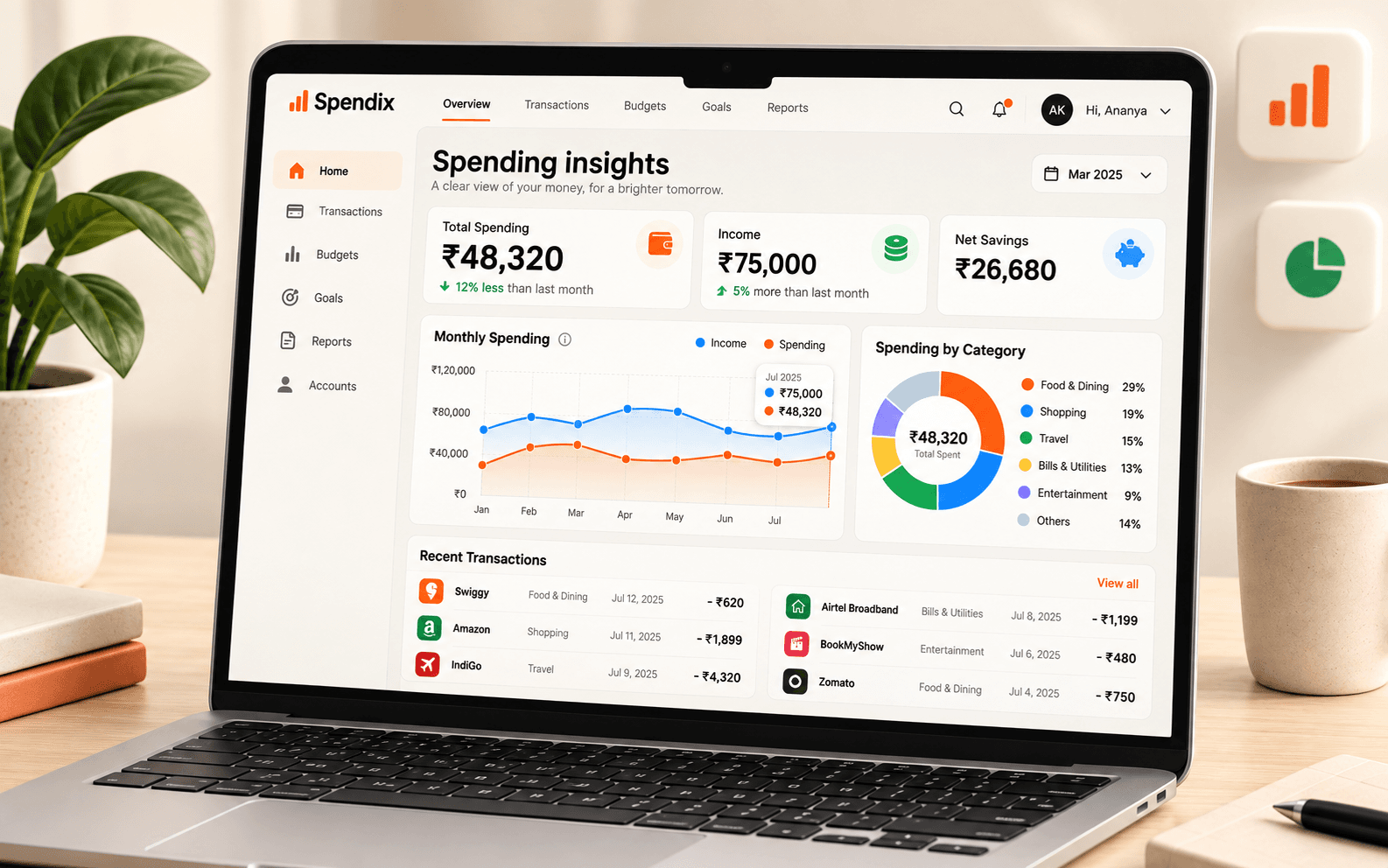
A 20-minute monthly money review: the checklist
One short routine each month keeps your records clean and your decisions informed. Follow this checklist using your statements and reports.
Read article
How to set up expense categories that actually help
Too few categories hide detail and too many make tracking a chore. Here is how to design a category list that stays useful.
Read article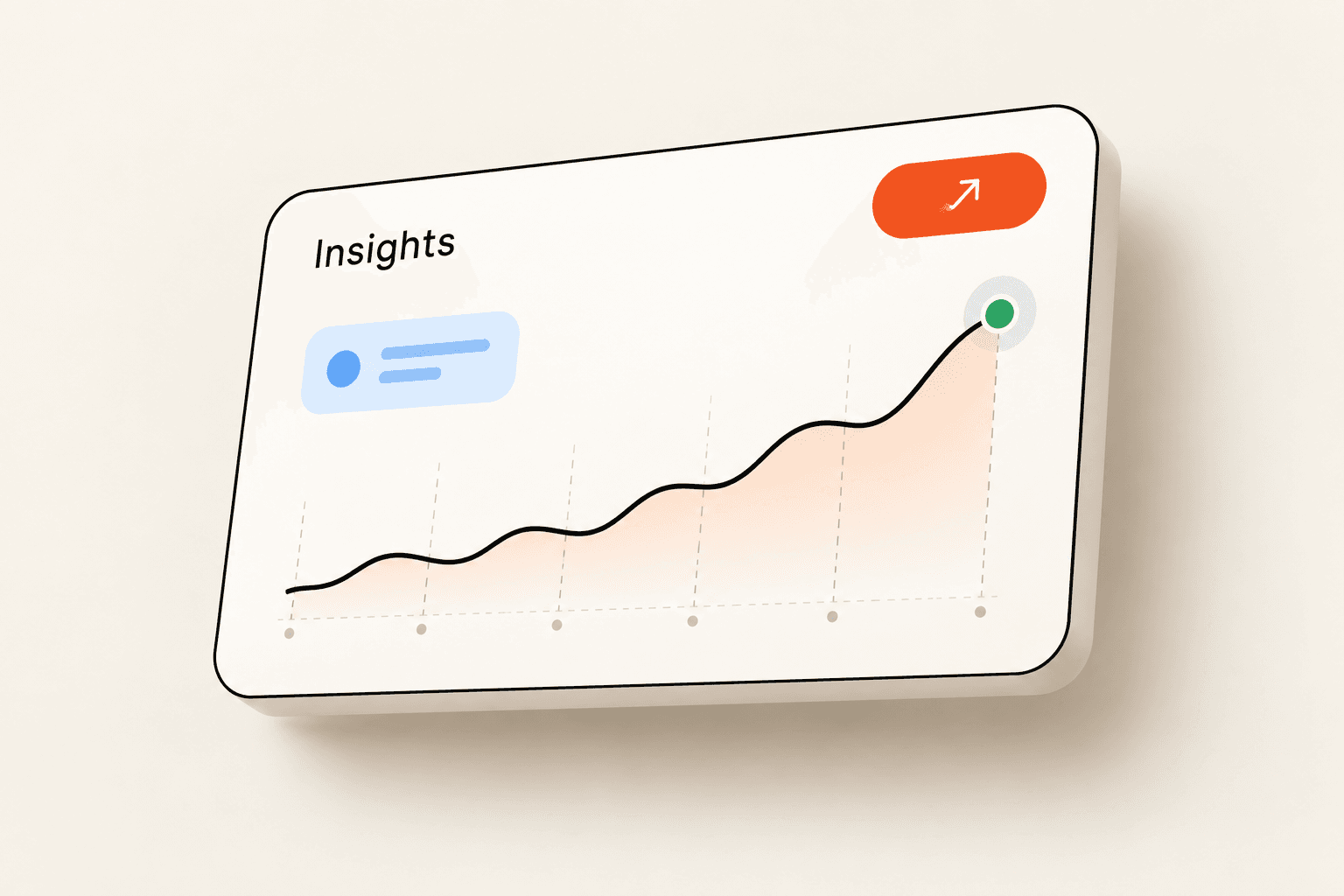
How to find (and stop paying for) forgotten subscriptions
Small recurring charges add up. Use your transaction history to list every subscription, see its yearly cost and decide what to keep.
Read articleBrowse by topic
Getting started
Set up, import and build a routine that sticks.
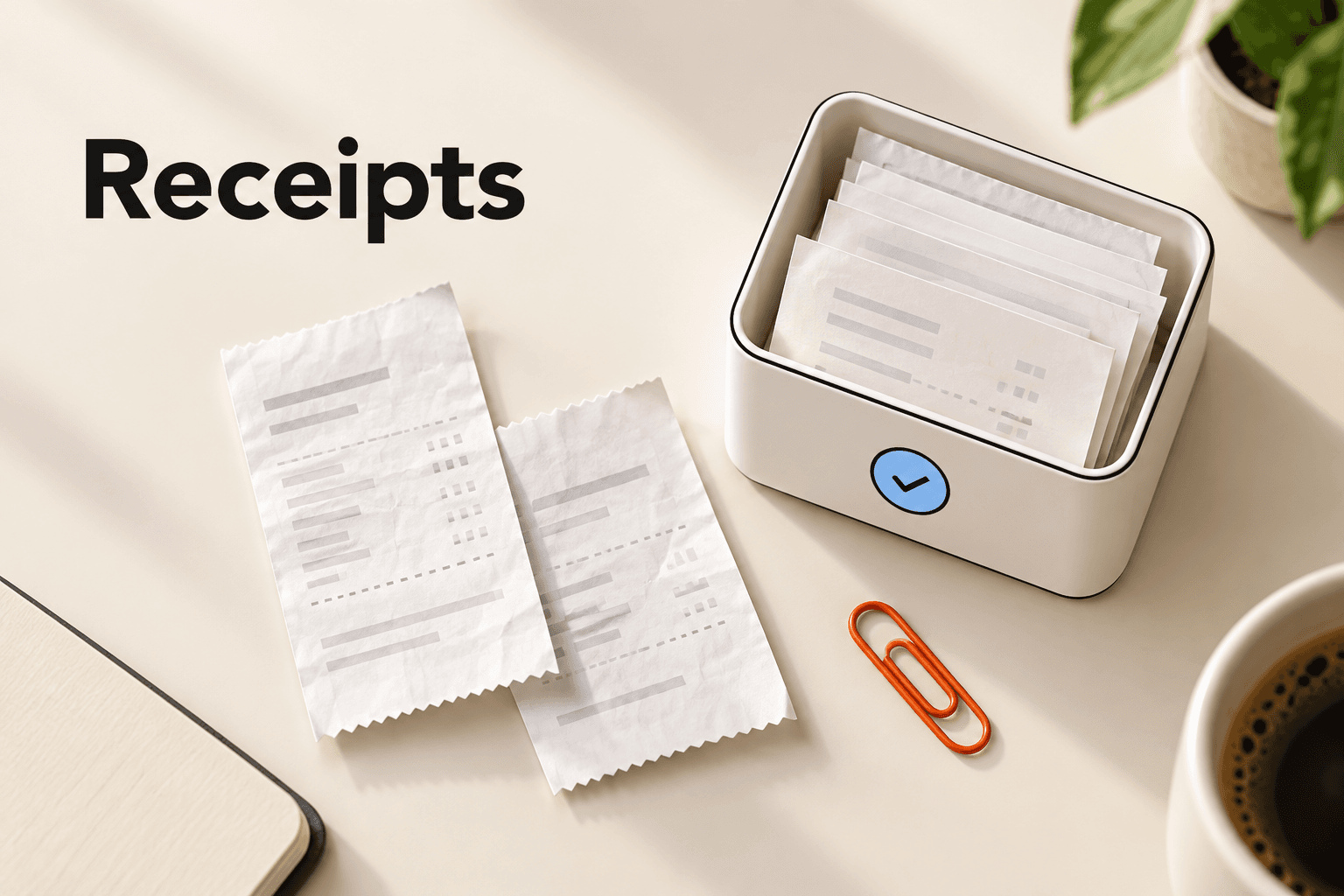
How to track expenses from your bank statements
A step-by-step routine for turning PDF, CSV and Excel bank statements into a clear expense record, with categories, accounts and duplicates handled.
Read articleA 20-minute monthly money review: the checklist
One short routine each month keeps your records clean and your decisions informed. Follow this checklist using your statements and reports.
Read articleHow to set up expense categories that actually help
Too few categories hide detail and too many make tracking a chore. Here is how to design a category list that stays useful.
Read articleProduct guides
How each part of SpendixAI works.
The SpendixAI dashboard explained: what each number tells you
A tour of the dashboard: the period selector, headline totals, spend trend, top categories, top merchants and recent activity, and how to use each.
Read articleHow SpendixAI categorises transactions, and how to teach it
Rules and your own history come first, AI only handles what is left. See how categorisation works, what each AI mode does and how to improve results.
Read article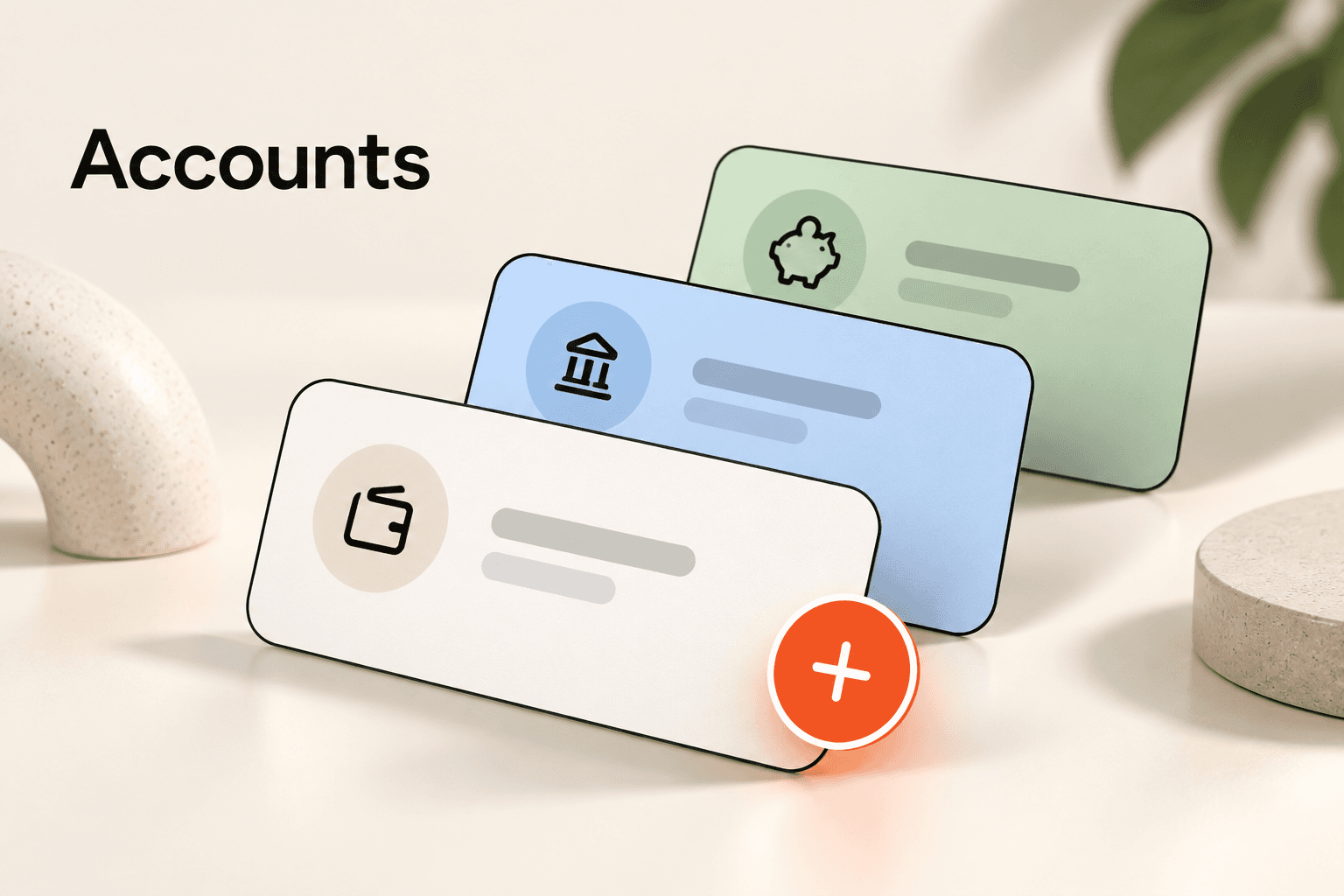
Clean up your merchants: names, aliases and default categories
Bank narrations spread one shop across many spellings. Use the Merchants directory to merge them with aliases and set a default category once.
Read article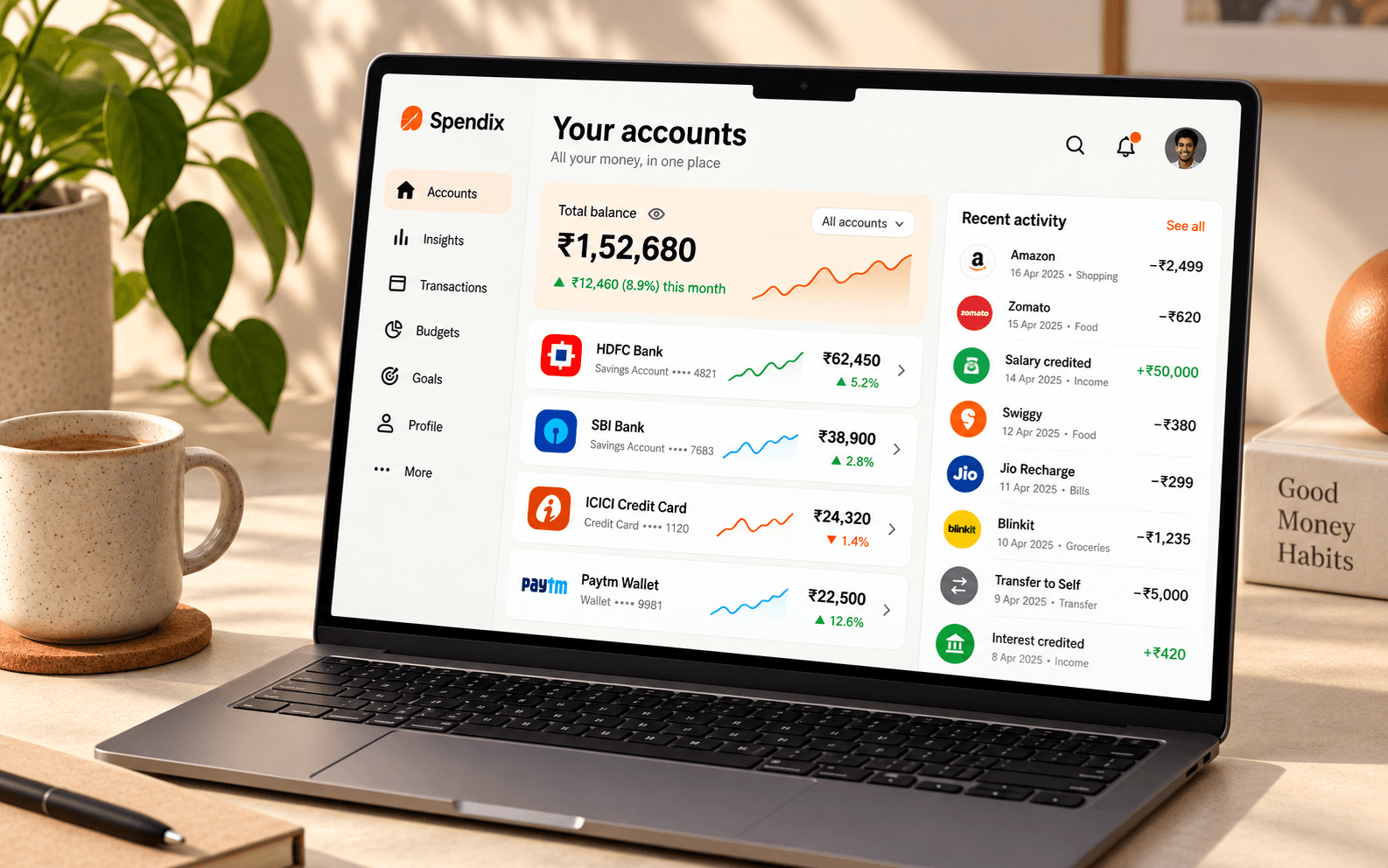
A tour of the SpendixAI Report library: 25 reports for 9 money questions
The Report library groups 25 ready-made reports by the question they answer: budgeting, saving, cash flow, debt, subscriptions, tax, fraud checks, merchants and accounts.
Read article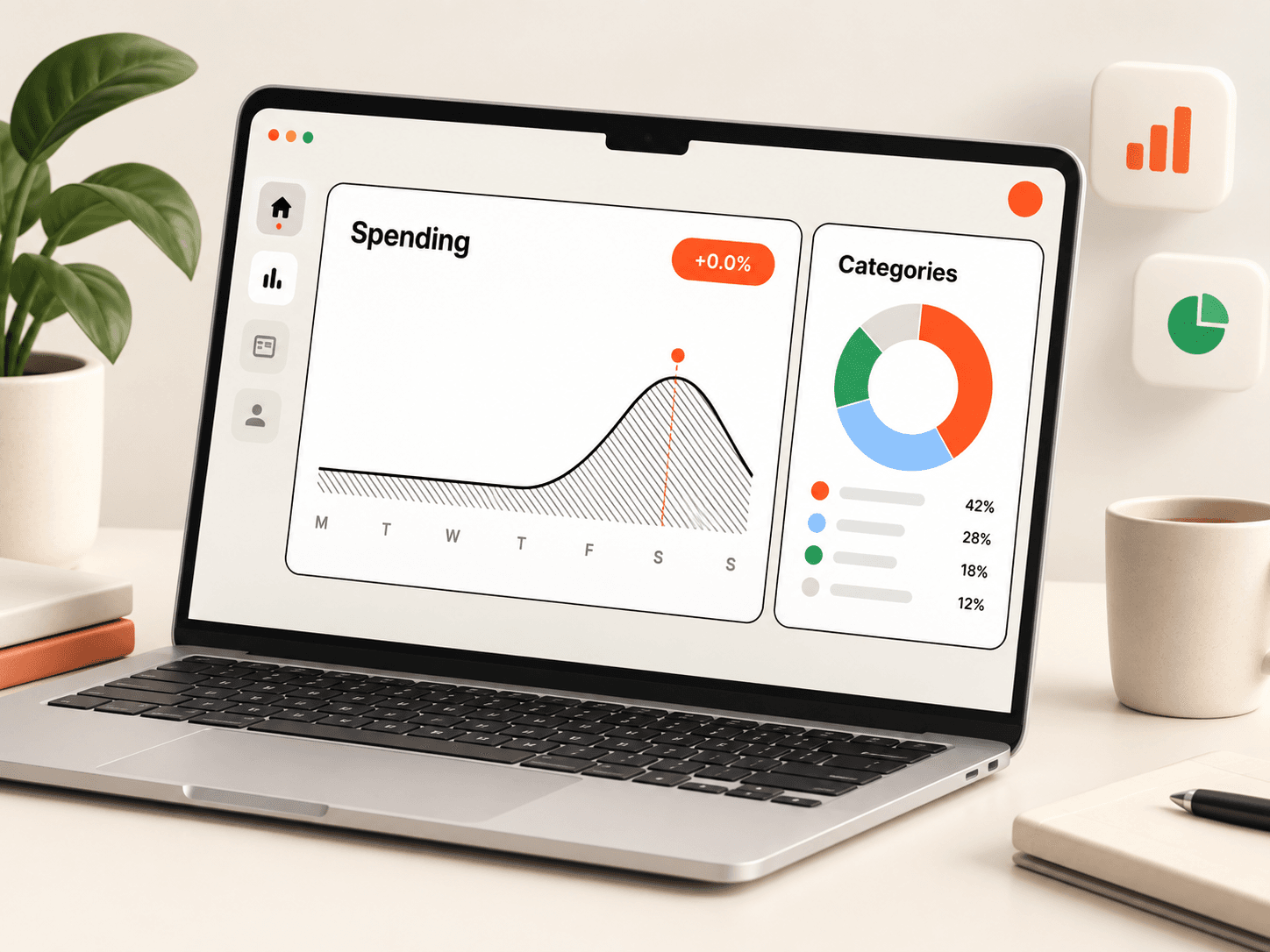
Build your own report and export it: Report builder and Export centre
Group spending by category, merchant, account, month or business use, save the view, and download it as CSV or in a Tally, Zoho Books or QuickBooks shape.
Read articleDeleted something by mistake? Restore it from the recycle bin
Deleted transactions are not gone straight away. Learn how the recycle bin works, how long you have to restore and what stays safe when you bulk delete.
Read article
Notifications in SpendixAI: stay informed without the noise
Import results, budget alerts, a weekly summary and security alerts: see what SpendixAI can notify you about and how to choose what reaches you.
Read article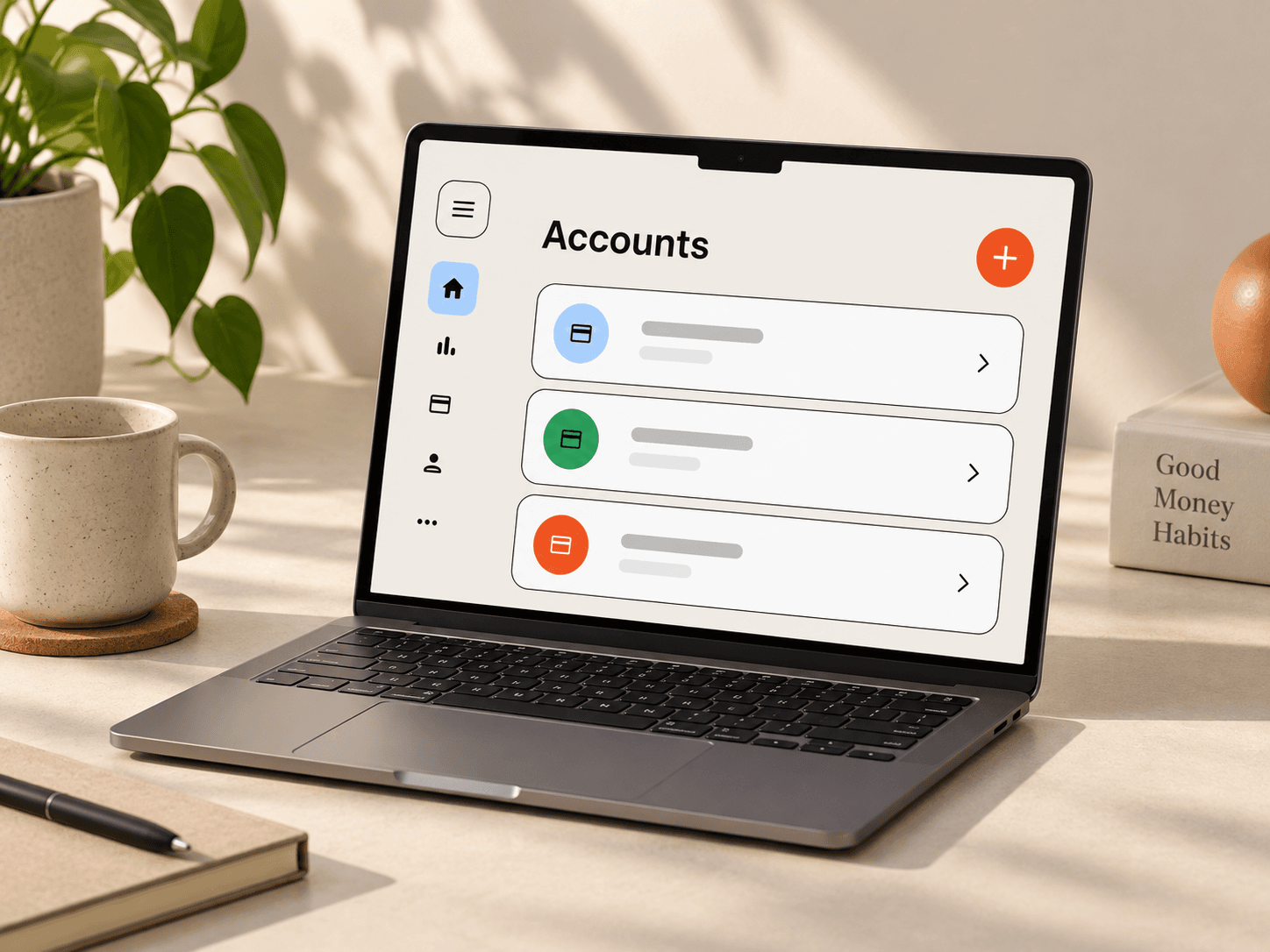
Set up your bank, credit card and cash accounts the right way
Accounts keep every transaction linked to where the money moved. Learn how to add bank, card and cash accounts and the details worth filling in.
Read articleBudgeting and saving
Spending plans, savings rate and everyday money habits.
The 50/30/20 rule: how to test it against your real spending
Needs, wants and savings in a simple split. See how to check the rule against your own categories instead of guessing.
Read articleHow to find (and stop paying for) forgotten subscriptions
Small recurring charges add up. Use your transaction history to list every subscription, see its yearly cost and decide what to keep.
Read article
Savings rate explained: the one number that shows if you are getting ahead
Your savings rate is the share of income you keep. Learn the formula, how to calculate it from real transactions and what moves it.
Read article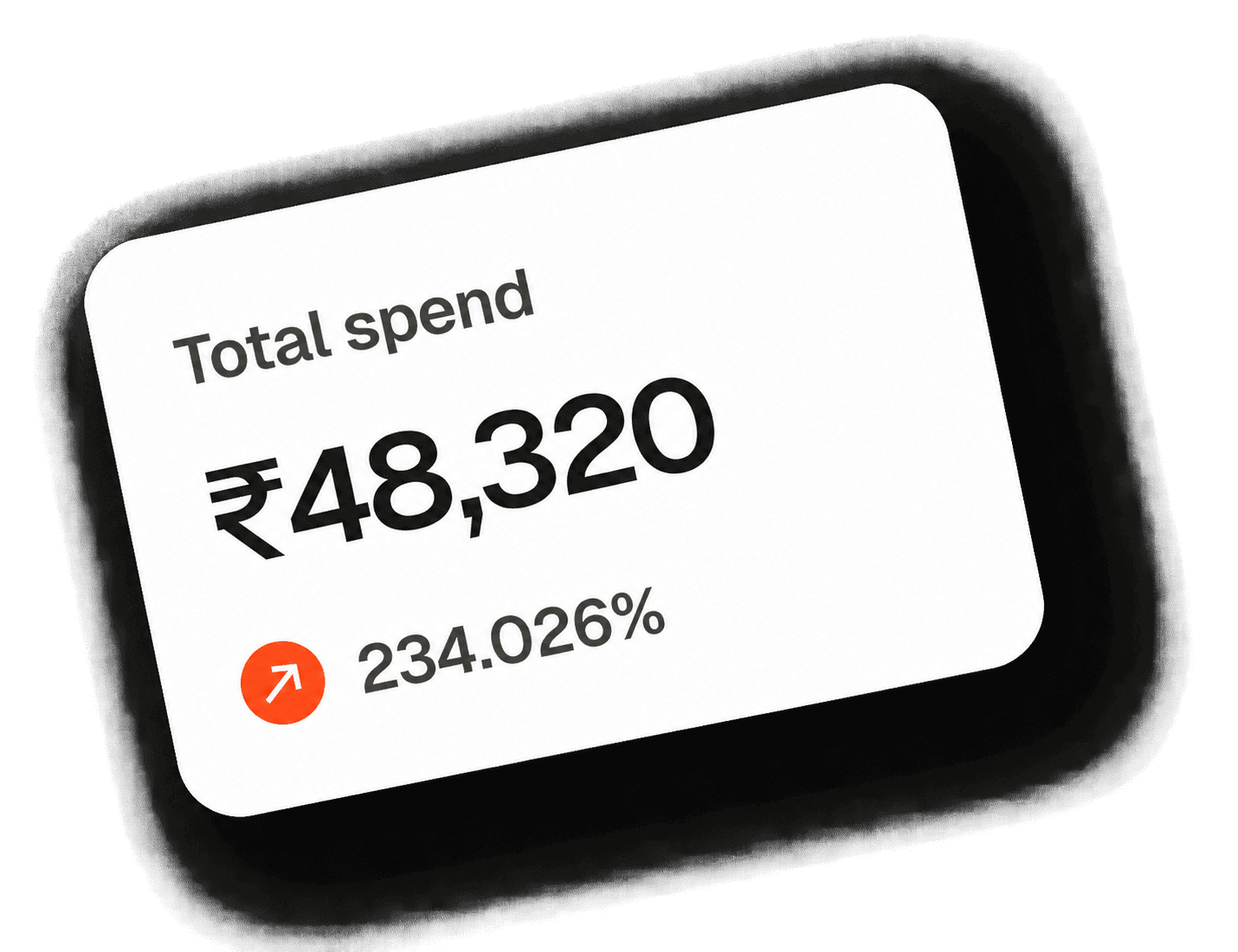
Tracking expenses in more than one currency
Travel, overseas software and foreign clients mean spending in dollars, euros or dirhams. Here is how to keep one clear total.
Read articleHow to read your bank statement: UPI, NEFT, IMPS and other narrations
Statement lines such as UPI, NEFT, IMPS, NACH and POS look cryptic. Here is what each one means and how to find the merchant inside.
Read articleHow big should your emergency fund be? Work it out from your own spending
A common rule of thumb is three to six months of essential expenses. Here is how to find your own number from real transactions.
Read articleTax, GST and business
Records and routines for freelancers and small businesses.
Tracking GST and input tax credit on business expenses
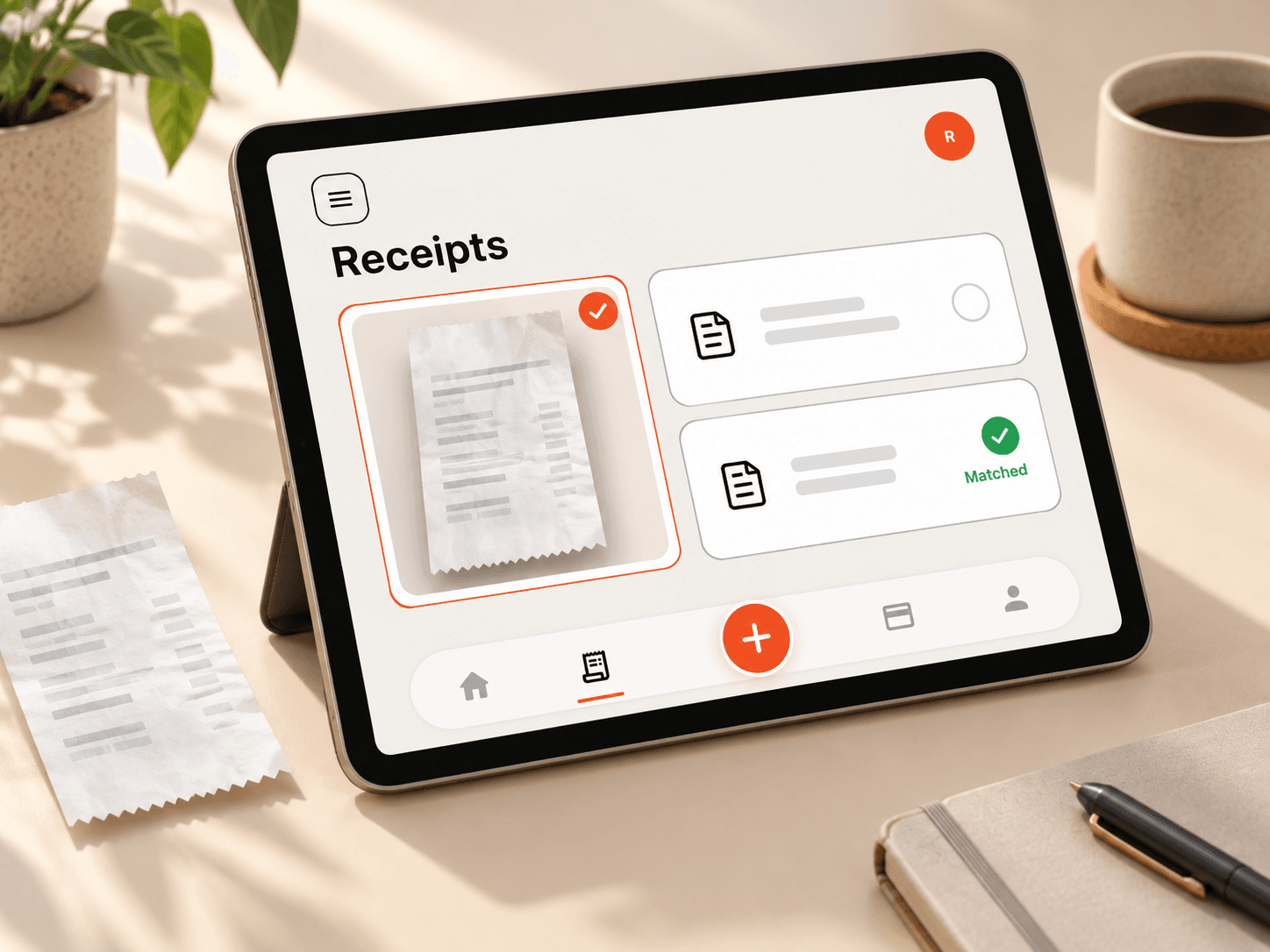
How to keep GST-inclusive spending organised so you can see the tax inside each purchase and hand your CA a clean record.
Read articleSeparate business and personal spending without a second bank account
Freelancers and small business owners can keep personal and business expenses apart with simple habits and a clean monthly review.
Read articleBudgeting with irregular income: a practical method for freelancers
When income changes every month, a normal budget breaks. Use a baseline, an average and a buffer, and let your records show the real numbers.
Read articleTax season without the scramble: getting your expense records ready
A financial year of tidy records makes filing easier. See what to collect, how to organise it through the year and what to hand your CA.
Read articleDebt, security and AI
Cards, loans, unusual charges and connecting an AI assistant.
Ask Claude or ChatGPT about your spending with MCP
MCP lets an AI assistant work with the SpendixAI data you choose to share. Here is what it is, what you can ask and how to stay in control.
Read articleHow to spot duplicate charges and unusual transactions
Double charges and one-off spikes hide in long statements. Learn the simple checks that surface them and what to do when you find one.
Read articleCredit card fees and utilisation: what to watch on your statement
Annual fees, interest, GST and forex markups add up quietly. Learn which charges to look for and how much of your limit you use.
Read articleEMI and loan burden: how much of your income should go to repayments?
Lenders look at how much of your income goes to EMIs. Learn how to calculate your own ratio and keep an eye on it over time.
Read articleGuides for the way you work
Put these ideas to work on your own spending.
Import a statement and see your categories, trends and reports in minutes.