Large items magnify small errors
A sofa that is five centimetres too wide for the door, a cupboard that blocks a window, a bed that leaves no room to walk: these are common and expensive mistakes. Furniture is heavy to return, often non-returnable, and loses value fast. Careful preparation costs a few minutes and saves a great deal.
Measure the space and the path
Measure the place where the item will stand, including clearance for doors and drawers. Then measure the path it will take to get there: door widths, corridors, stairs, lift size and turns. A piece that fits the room but not the lift is a problem.
Write the numbers on a note you can show the seller. Mark the available width, height and depth, and ask for the item’s dimensions in the same format.
List all costs
Beyond the price, include:
- Delivery and carrying up stairs.
- Assembly or installation.
- Matching items such as mattresses, cushions or hardware.
- Removal of an old piece.
- Protective items like covers or pads.
Add them to the quote and compare the totals between sellers.
Check the materials
Ask what the item is made of and how it is finished. Solid wood, engineered wood, metal and fabric each wear differently. A low price may reflect a lighter material that suits a guest room but not a daily-use dining table. Look at joints, hinges and drawers, and ask how the item can be repaired.
Plan the budget in stages
Not everything needs to be bought at once. Buy the essentials first and add pieces as money allows. Use a goal for each stage, for instance the bed, then the wardrobe, then the shelving. A gradual approach reduces the risk of filling a room with items that do not work together, and it keeps spending out of a single month.
Record the purchase
Record the purchase under a furniture or home category and note the dimensions, material and warranty. Keep the delivery slip and any assembly instructions. If a part breaks later, the notes tell you what to order.
A short list for the shop floor
Take a tape, a notebook and a phone camera. Measure, photograph and write down the model code. Sit on the sofa, open the drawers, lie on the bed if the shop allows. Ask about the return policy and warranty. Then leave and think for a day. A piece of furniture that still seems right the next morning is usually a safe purchase. One that was exciting only in the shop usually is not, and the day’s pause costs nothing but a little patience.
Colour, light and the room itself
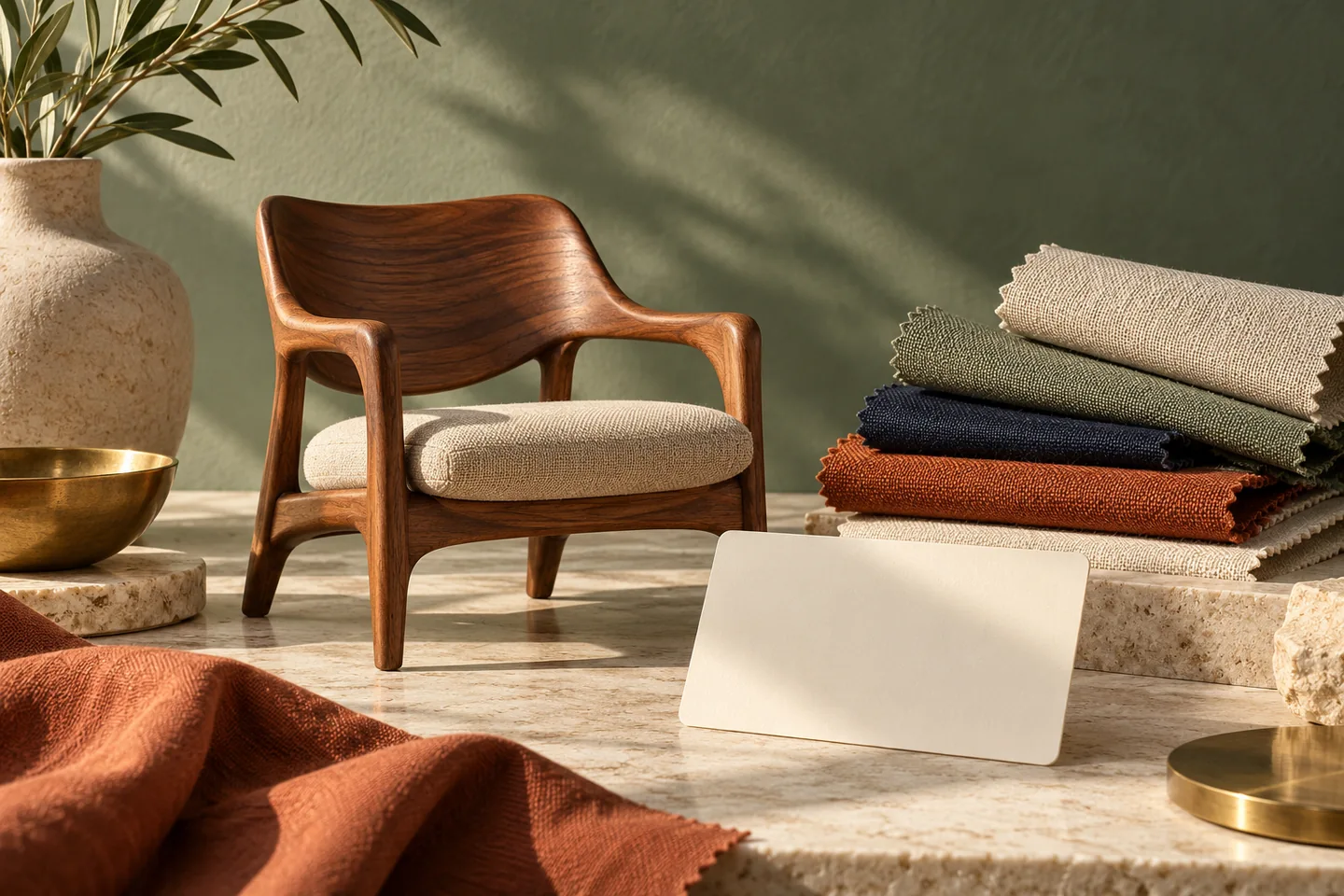
Samples and photographs rarely match what the item looks like at home. Ask for fabric or finish samples and look at them in the room at different times of day. A sofa that looks warm in a showroom can look dull in your living room. Taking a sample home is a small effort that avoids the most common regret about colour, and the cost of a swatch is far smaller than a replaced sofa.
Revisit the plan
After a few weeks in use, check whether the item works as you expected. If it does not, note why. The lessons about space, material and style will help with the next piece. People who learn from these notes tend to make fewer large mistakes, and the savings are larger than most discounts.
Useful ideas start with a clearer picture of your own spending.
Explore your reports
