The 50/30/20 rule is a budgeting shortcut: roughly half of your take-home pay for needs, 30% for wants and 20% for savings. It is easy to remember, but it only helps if you know what your own numbers look like.
What goes where
- Needs: rent or home loan, utilities, groceries, transport to work, insurance and minimum loan payments.
- Wants: eating out, shopping, entertainment, travel and most subscriptions.
- Savings: SIPs and other investments, your emergency fund and extra loan repayments.
Some items are not clear cut. A phone plan is a need, but the premium tier may be a want. Decide once, write it down, and apply it the same way every month.
An example
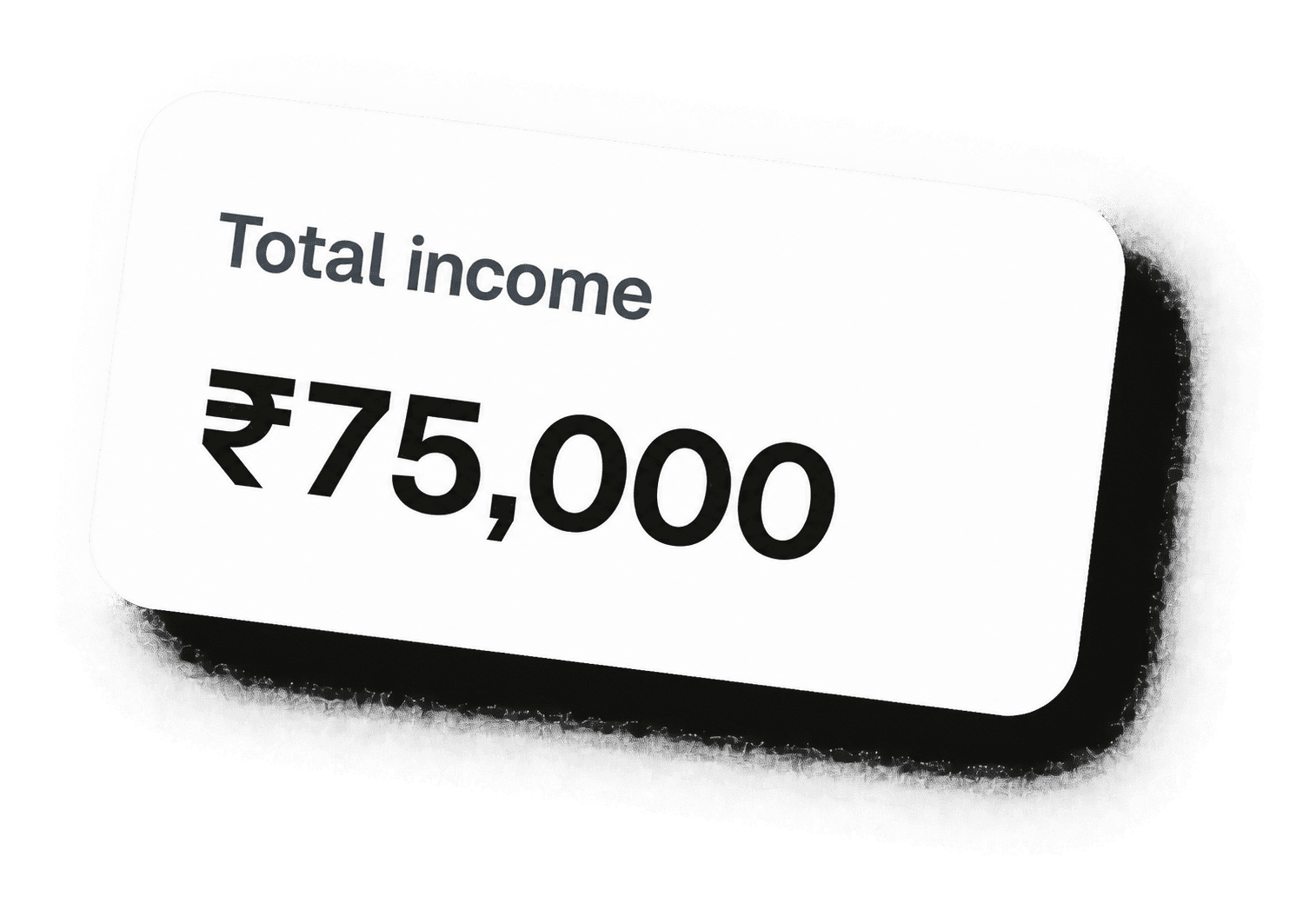
Say your take-home pay is ₹80,000 a month. The rule suggests about ₹40,000 for needs, ₹24,000 for wants and ₹16,000 for savings. If your rent and loan payments alone are ₹38,000, the rule is already tight before groceries, and that is useful to know.
Test it with three months of real data
- Import or add the last three months of transactions.
- Group your categories into needs, wants and savings.
- Add each group up and divide by your income for the same months.
- Compare the three percentages with 50, 30 and 20.
In SpendixAI, the Spend as % of income and Savings rate by month reports in the Report library do the dividing for you, and the Top expense categories report shows which categories sit behind each group.
If the split does not fit
In an expensive city, needs can easily pass 50%. That does not mean the rule has failed. Treat it as a way to spot where you differ, then pick one area to change. Raising the savings share by even a few points, automatically, usually beats a perfect budget you abandon.
See what your spending means.
Turn individual purchases into useful groups, from food and travel to bills and business costs.