Food at work is social spending
At a new job, lunch is not only a meal. It is how you meet colleagues, learn how the place works and become part of the group. That social value is real, and a budget that ignores it is likely to fail. At the same time, daily food at work can quietly become one of the largest flexible costs in the month.
The goal is to enjoy the culture on purpose instead of by drift.
Count a typical week
For one week, record every food item bought at work: lunch, tea, snacks, team treats, a farewell collection. Add them up. Suppose lunch costs 140, tea and snacks 40, and there is one team treat of 200. The week comes to 140 times five plus 40 times five plus 200, which is 1,100. Over a month, that is around 4,400.
Looking at the number, you may feel entirely comfortable with it, or you may feel it is more than you intended. Either response is useful.
Decide your pattern
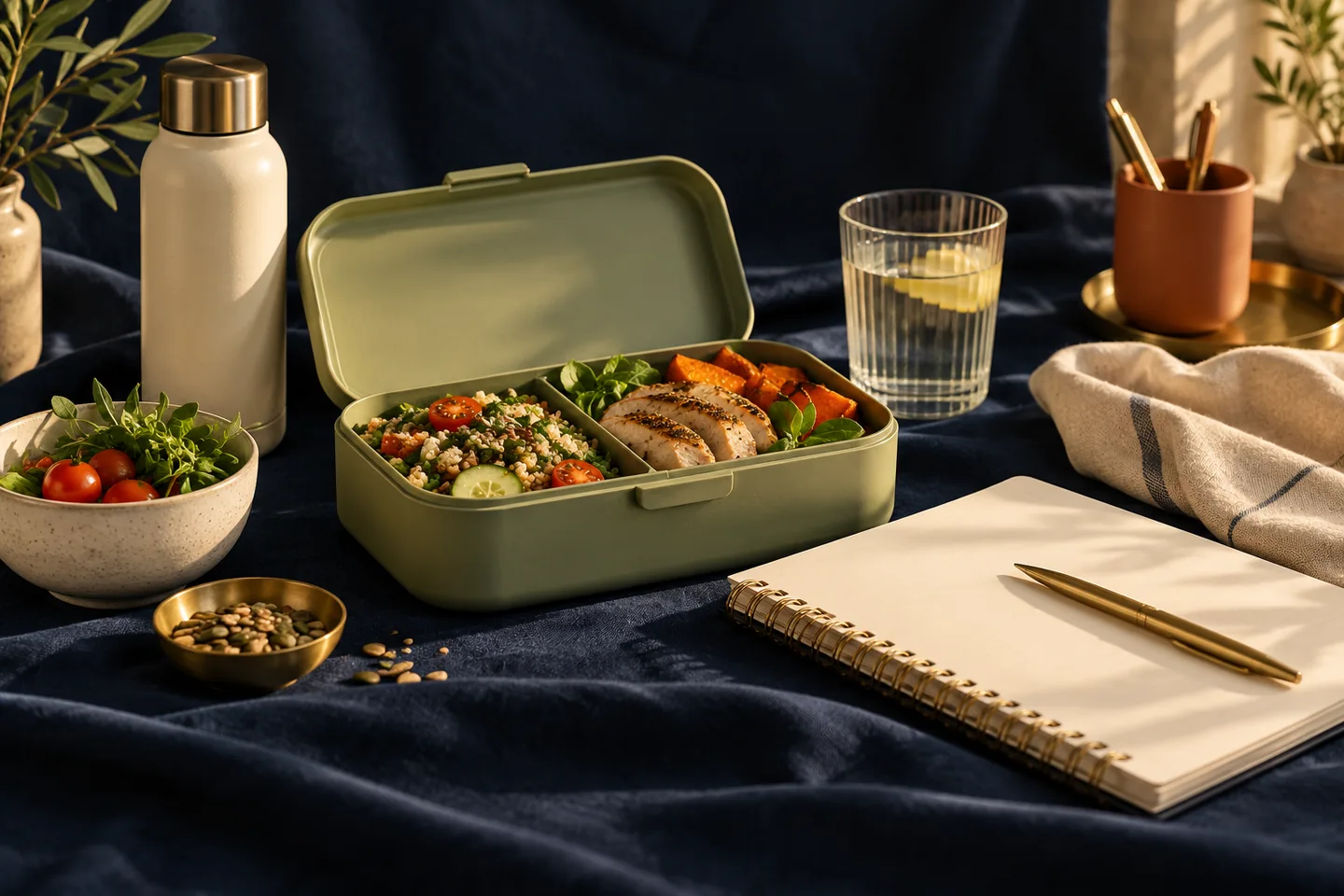
Not every lunch needs to be the same. A mixed pattern often works well: carry food on some days, eat with colleagues on others, and treat the team occasionally.
- Two or three days of packed lunch
- Two days eating out with the group
- One agreed treat per month
This keeps social ties while cutting the average cost. The mix can be adjusted to your preferences, location and the quality of nearby food.
Handle collections and contributions
Workplaces often have collections for farewells, birthdays and festivals. These are voluntary in spirit, but peer pressure can make them feel obligatory. Decide a monthly amount for such contributions and treat it as a category. When the amount is used up, you can say a polite no, or give a smaller sum, without agonising.
Also avoid lending small amounts repeatedly to colleagues. If you do, record the amount and follow up gently. Informal lending between peers can be a source of awkwardness.
Mind the tea and snack rounds
Small rounds, repeated daily, are the most deceptive. A snack at 30 units twice a day is 60, which is 1,320 over twenty-two working days. Seeing the sum, many people decide to bring something from home or reduce the frequency. Others keep the habit and drop something else. Either is a legitimate choice if made knowingly.
Use the canteen intelligently
If a subsidised canteen exists, compare its cost per meal with nearby alternatives, including time. A canteen meal that is slightly less exciting but saves 60 units a day gives back more than 1,000 a month. Prepaid cards may offer small savings, but check how much balance stays unused and whether there are expiry rules.
Check it monthly
Review the “Work food” category once a month. Did it fall within the plan? What was the biggest single item? Tweak the pattern for the next month. The habit of comparing costs and choosing deliberately will serve you across other categories too, and it keeps the social side of work enjoyable without letting it set the terms of your budget.
A gentle way to opt out
Not every colleague outing needs you. If a plan is beyond your month’s number, a friendly alternative is easy: join for tea instead of a meal, or suggest a weekday lunch place you prefer. Colleagues rarely keep track of who ordered what, and most respect someone who is clear and cheerful about it.
Over time you will find your own balance between belonging and budgeting, and the records of the “Work food” category show you whether it holds.
Making a lunch plan for the week
Each Sunday, decide which days will be packed lunches, which will be canteen, and which will be social. Add a small treat budget. A plan made in advance removes the daily decision, saves money and still leaves room for flexibility. After a month, adjust the pattern to what you actually enjoyed.
Useful ideas start with a clearer picture of your own spending.
Explore your reports