The cleanest approach is a separate account for business. Many freelancers and new business owners start with one account for everything, and that can work if you keep a clear record of which payment was which.
Why it matters
- Tax: business expenses can reduce taxable income, but only when they are clearly business.
- GST: input tax credit applies to business purchases, not personal ones.
- Clarity: you can see whether the business is actually making money.
Decide at the moment of payment
The longer you wait, the harder it is to remember. Mark a transaction as business or personal when it appears, or at least at the end of each week.
Handle mixed-use costs on purpose
A phone, an internet connection or a home office serves both sides. Agree a sensible business share with your CA, apply it consistently, and keep that decision written down.
Keep the proof
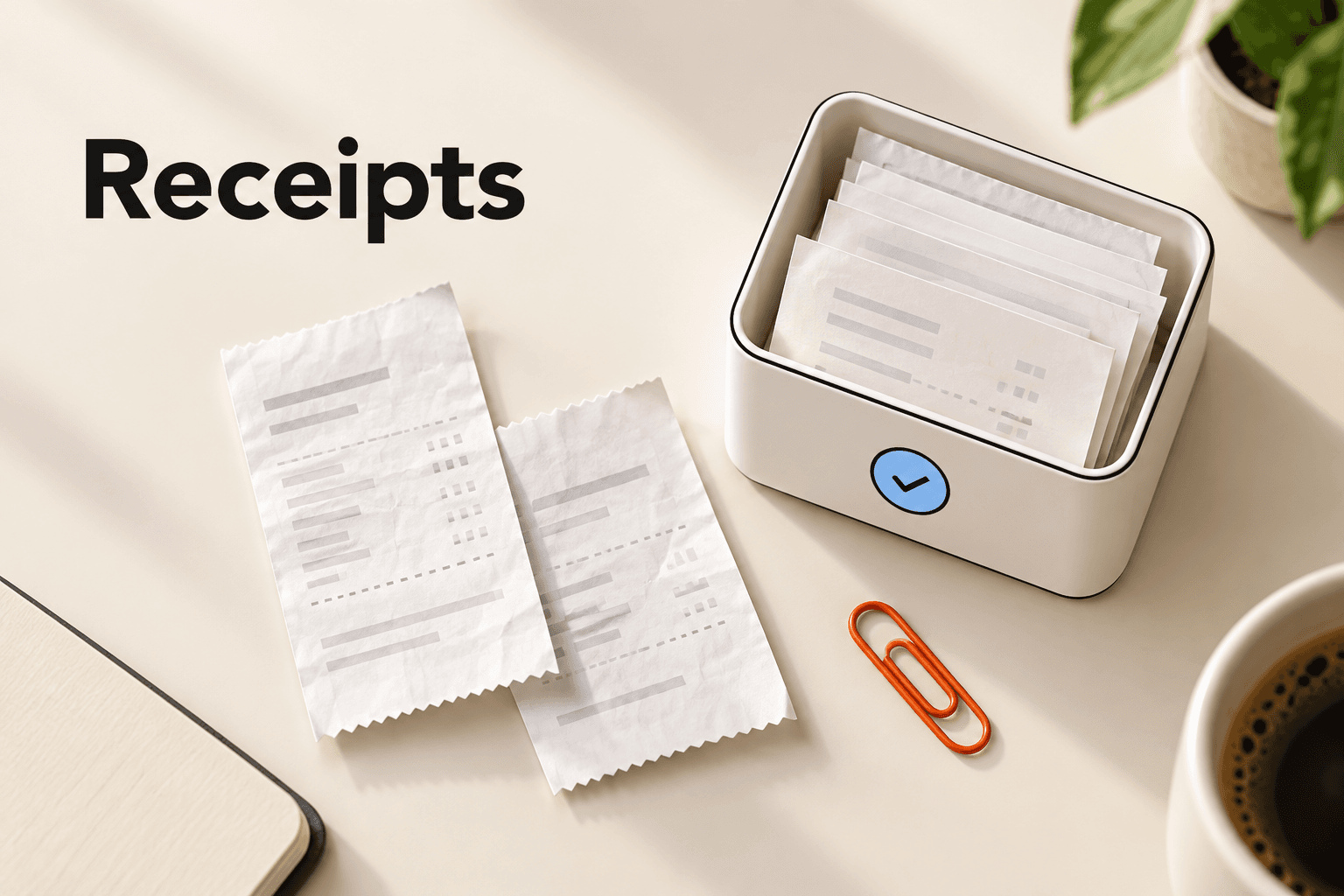
Attach the invoice or receipt to the transaction it explains. If a payment is ever questioned, the record is already in one place.
How SpendixAI helps
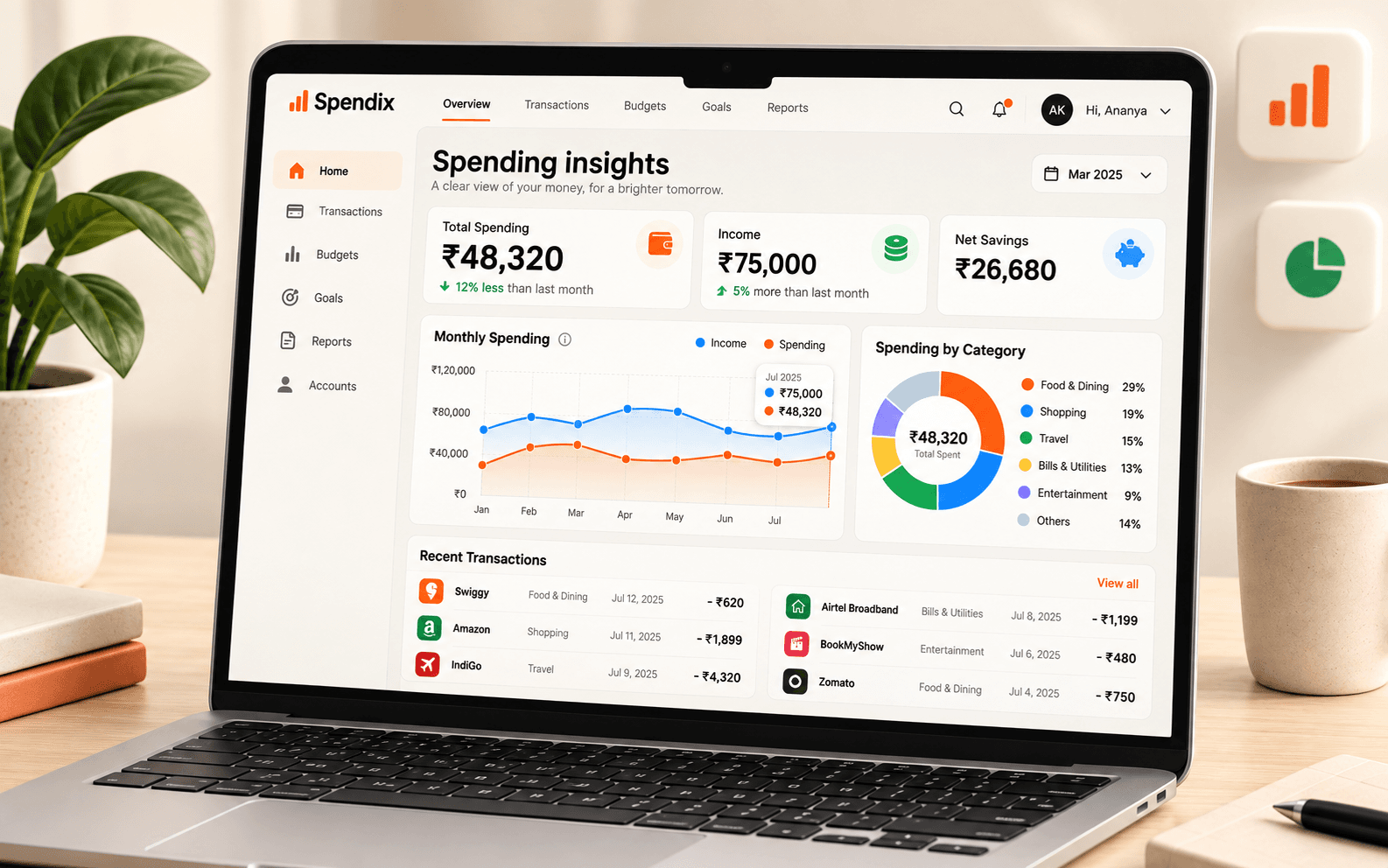
Each transaction can be marked business or personal. The Business vs personal report in the Report library shows how your spending splits, and transactions whose status is still unconfirmed appear as Unclassified until you decide, so nothing is silently counted on either side.
A five-minute month-end review
- Clear the Unclassified items.
- Check the biggest business expenses have receipts.
- Open the business totals and note anything unusual.
- Send the month’s report to your CA if they ask for it.
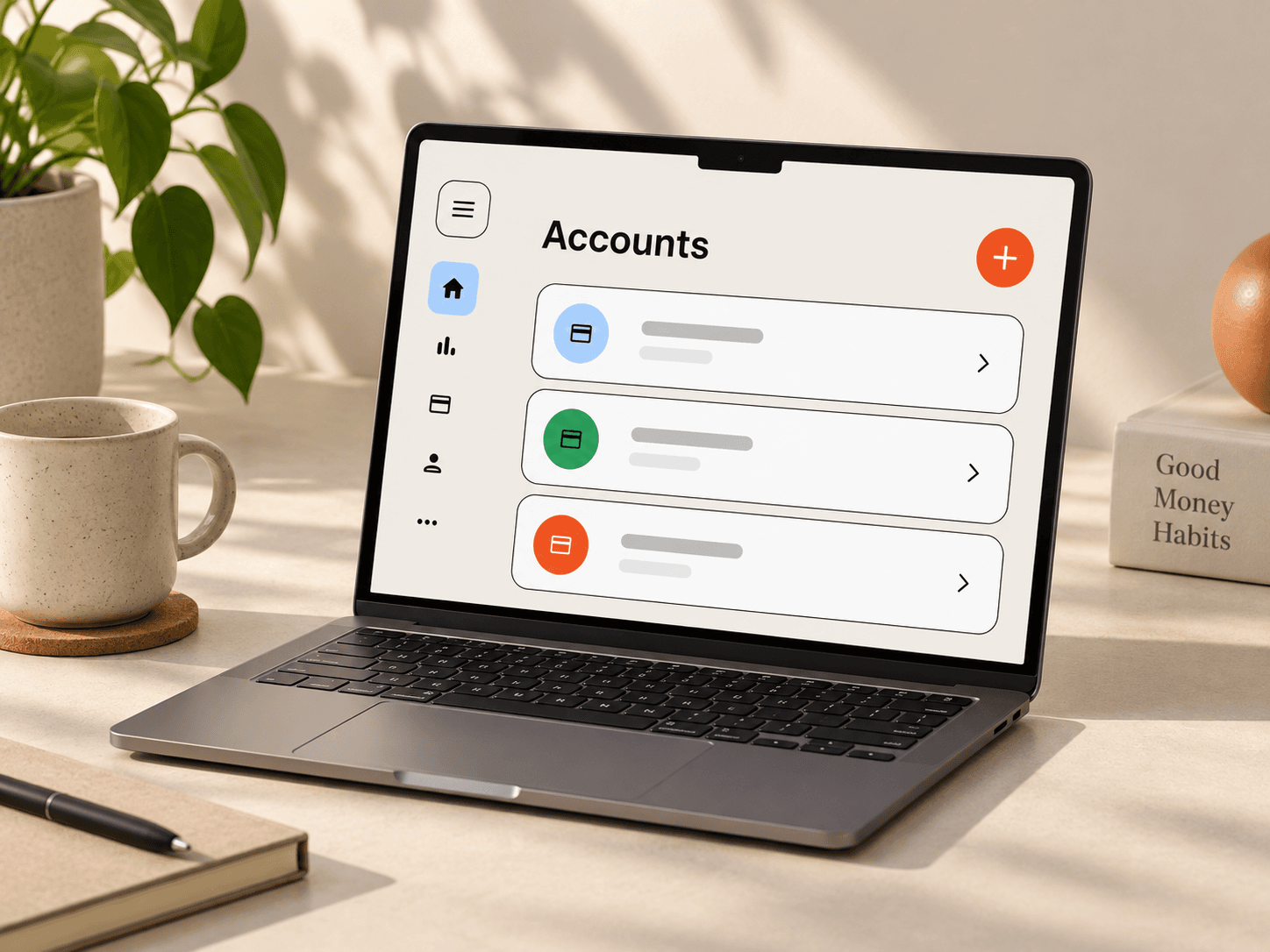
See your accounts together.
Understand balances and activity across your financial accounts without losing the details.