In India the financial year runs from 1 April to 31 March. Filing is far easier when your records have been kept tidy all year, instead of rebuilt from bank statements in a rush.
What to have ready
- A complete list of income received, with the date and source.
- Business expenses, with invoices or receipts for the larger ones.
- GST invoices for purchases where you claim input tax credit, if you are registered.
- Records of deductions you intend to claim, such as insurance or eligible investments.
- Loan and EMI statements, where interest may matter.
Organise through the year
- Import statements monthly rather than at year end.
- Mark transactions as business or personal as you go.
- Give categories their GST rate and ITC and tax-deductible settings.
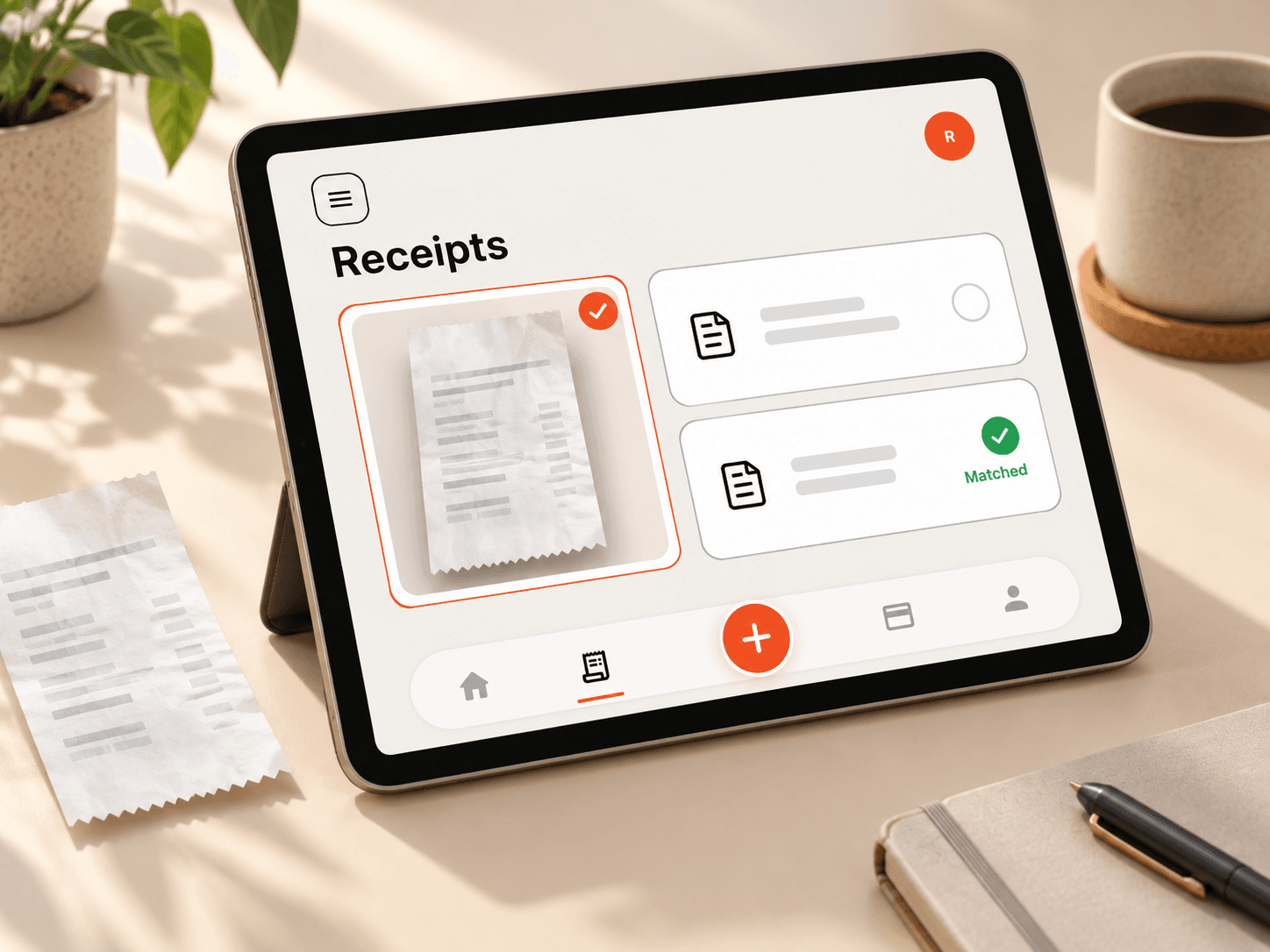
- Attach invoices or receipts to the transactions they explain.
Use the reports
- Tax-deductible expenses lists deductible spend by category with accounting codes.
- GST and ITC-eligible spend lists credit-eligible spending and an estimate of the GST inside it.
- Business vs personal shows how your spending divides.
- Use the Last year or custom period to cover a full financial year.
Hand over a clean pack
Download the reports you need as CSV. The Export centre can also prepare a file shaped for Tally, Zoho Books or QuickBooks, plus your category list with GST rates and tax codes. Ask your CA which format they prefer before you start.
Reports
Explore this feature A clearer story in every report.
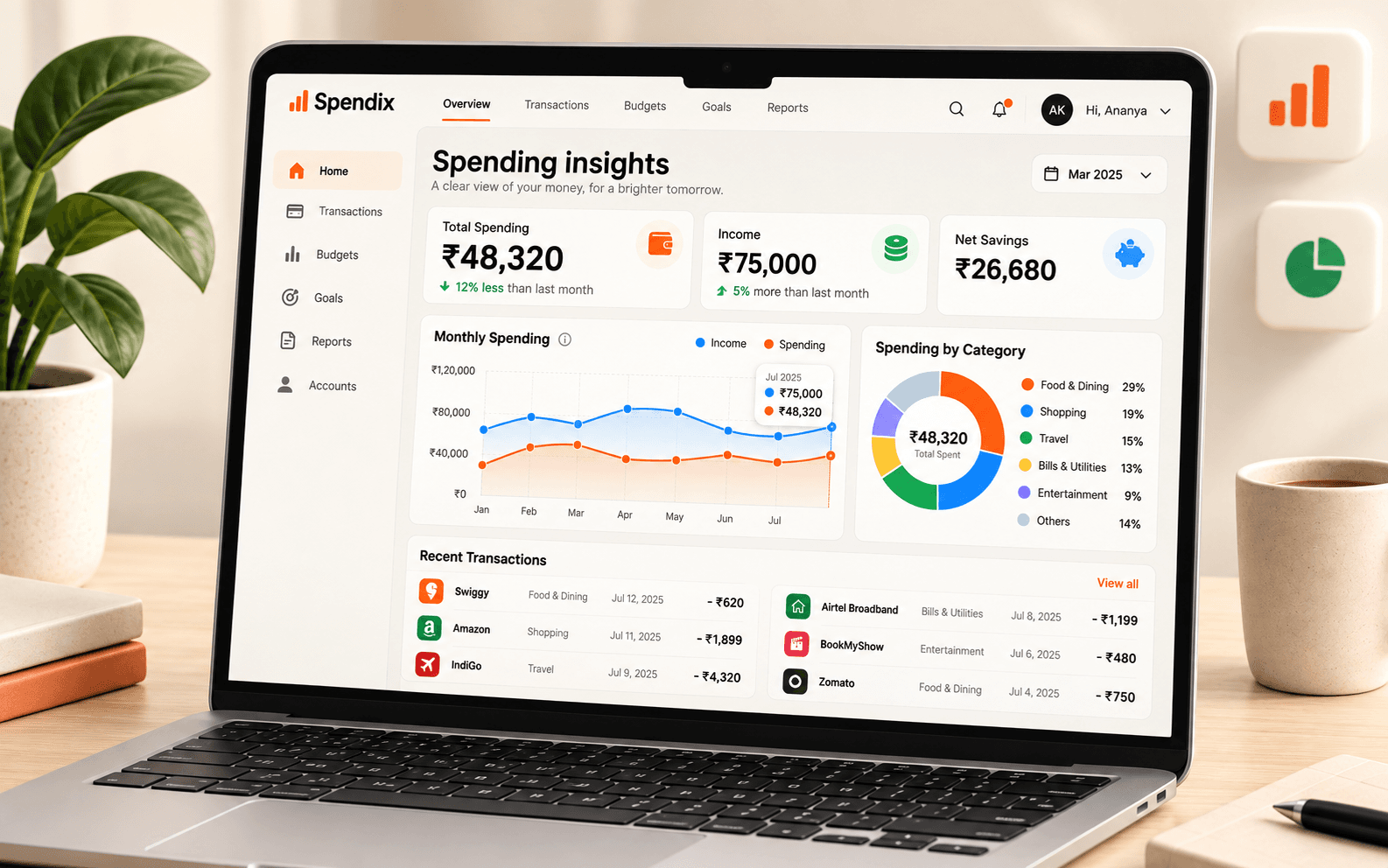
Explore totals, trends, and account activity in reports you can actually use.